How to protect your product against counterfeiting
Reading time: 5 minutes
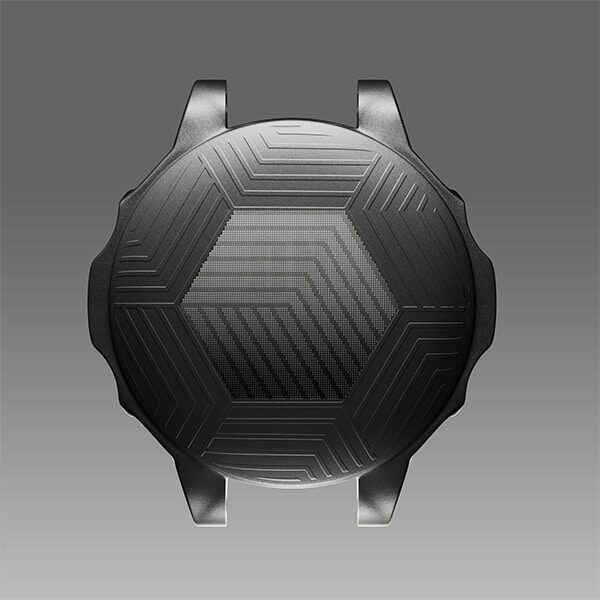
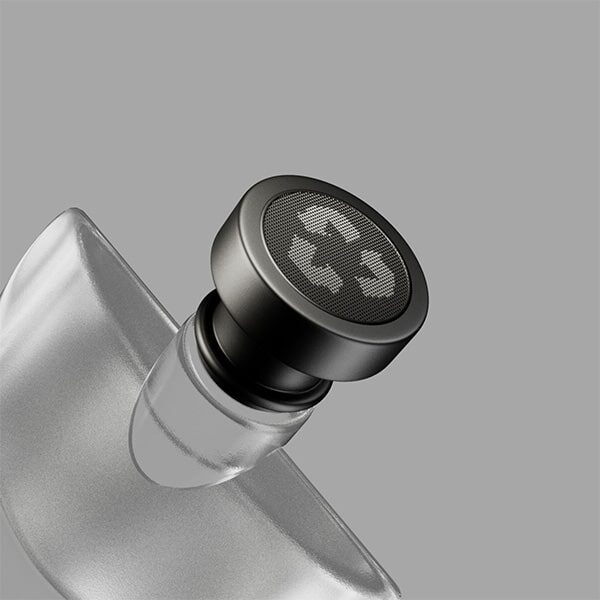
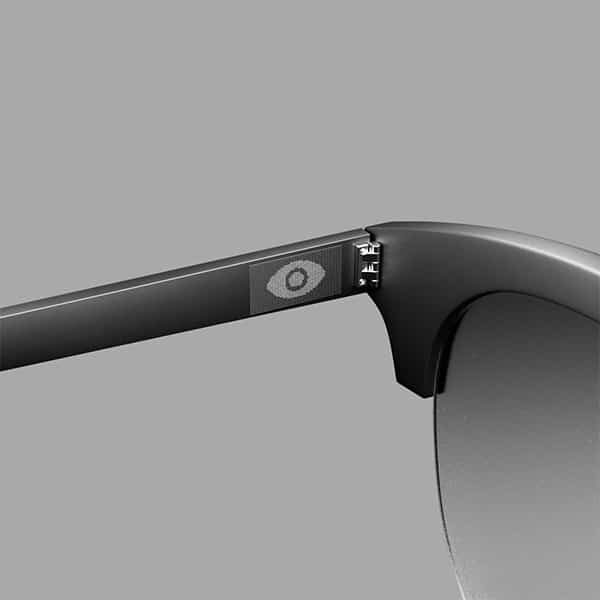
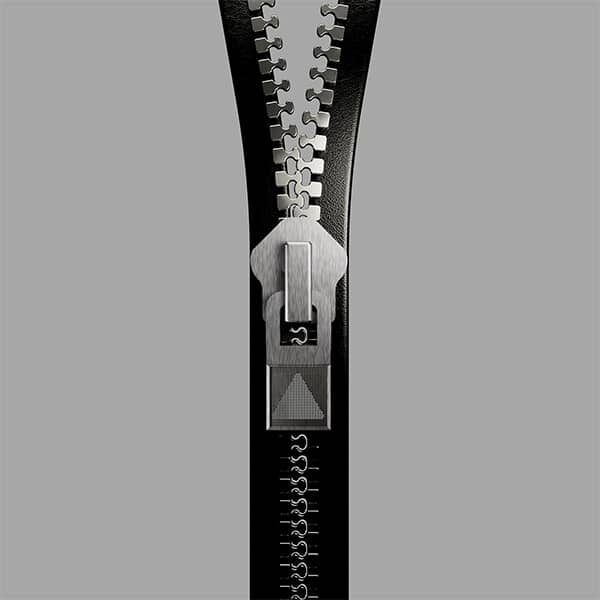
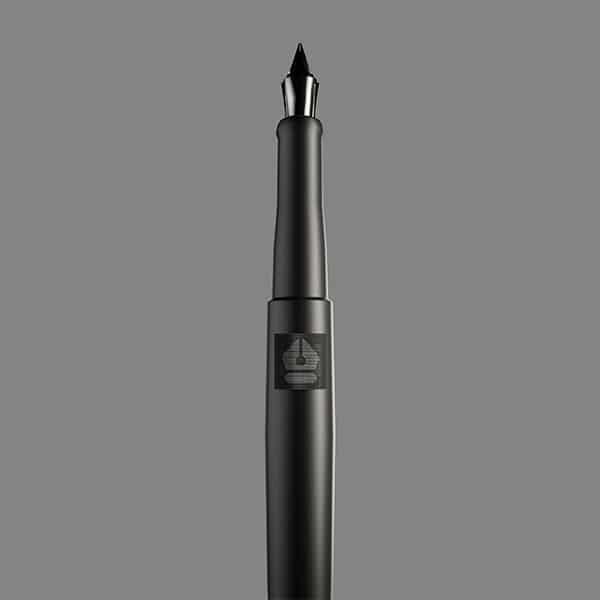
In an increasingly competitive global market, product counterfeiting has become a growing threat across many industries. Illegitimate copies not only lead to economic losses but also pose risks to consumer safety and cause serious damage to brand reputation. Facing this widespread challenge, which can affect any sector, Microauthenfy® offers an integrated authentication solution: microstructures inserted directly into the mould that guarantee the originality of each item from the very first stage of production.
This article explores how counterfeiting harms innovation and what strategies you can adopt to protect your products and your brand.
What is counterfeiting?
Product or brand counterfeiting involves the illegal reproduction of an item, often infringing patents, trademarks, or design rights. This practice affects various sectors, from luxury packaging and fashion to cosmetics, consumer electronics, and footwear, by replicating designs, logos, or technologies using lower quality materials and processes.
Why is protection critical for companies?
Protecting against counterfeiting is essential for any brand that works with physical products and distinctive design elements. The main risks include:
- Economic protection: counterfeiting causes revenue losses and weakens competitiveness, as it erodes profitability and slows down investments in R&D.
- Quality and safety risks, especially in regulated products or with specific functional requirements.
- Protection of brand and company reputation: if a customer receives a poor quality copy and confuses it with the original, their trust in the brand may be affected.
- Legal protection: registering patents, trademarks and designs provides a solid legal basis to act against illegal copies and defend property rights.
- Competitive advantage: implementing effective copy protection systems, such as Microauthenfy® integrated solutions, helps preserve the uniqueness of products and strengthens market positioning.
5 types of fraudulent imitation
Counterfeiting goes beyond visual replication. There are several tactics counterfeiters use to exploit the value of an original product:
- Exact replicas with a fake brand: they are identical copies of the authentic product, including logos and distinctive brand elements, with the aim of confusing the consumer.
- Functional copies with a different name: These imitate the design and functionality of the original product but avoid the logo or registered name to reduce legal risk. These copies are often difficult to detect with the naked eye.
- Imitation in technology: patented industrial processes or production techniques are used without authorization, often by copying original molds or systems.
- Substitution of materials with low-quality options: components are used that do not meet the required technical or functional standards, despite being presented as high-end or sustainable solutions, which can compromise the safety and performance of the product.
- Fraudulent use of registered trademarks: in some cases, products are labeled with well-known trade names or logos, despite having no relationship with the original manufacturer.
These practices threaten not only consumer safety and brand image but also cause serious economic and legal harm to affected companies.
What is the economic impact of counterfeiting?
Counterfeiting products have a significant economic impact on all sectors that depend on the integrity of their design, brand or processes. When cheaper copies appear on the market, original companies suffer a drop in sales and see their efforts in innovation, quality and production devalue. This unfair competition slows down the ability to invest in development and erodes competitive advantage.
The consequences go far beyond revenue: if consumers associate the low quality of an imitation with the original brand, their trust can be irreversibly lost. Added to this are the costs of dealing with litigation, registering industrial property or implementing advanced security systems.
In serious cases, the loss of market share can lead to labor adjustments or tensions in the supply chain.
What can companies do when they discover they’ve been counterfeited?
When a company finds its products have been copied, it must act swiftly and methodically. Various industry sources, including K Mag, outline steps companies can take in such scenarios:
- The first step is to collect clear evidence: photographs, physical samples, distributor information, and legal documentation (patents, trademark or design registrations).
- Once the evidence has been collected, it is necessary to consult legal experts, lawyers specializing in industrial property, as well as notify the competent authorities, to assess whether any registered rights have been infringed. This may result in formal requests to cease the activity or, if necessary, in a lawsuit.
- At a production level, it is key to strengthening security measures, integrating solutions such as those we offer at Microrelleus, implementing exclusive brand identifiers.
Finally, it will be necessary to maintain customer trust by informing about the situation and reinforcing the brand image.
A unique solution to counterfeiting
As counterfeiting and brand tampering become more sophisticated, Microauthenfy® offers an efficient, scalable and visually integrated solution. With high-precision technical engraving, Microauthenfy® embeds unique microstructures directly into the mould, ensuring each product is authenticated from the point of manufacture.
These visible yet impossible-to-replicate patterns offer:
- Total integration into the usual injection process, without altering production.
- Inviolable and customizable authentication for any sector, product or design.
- Immediate visual verification, without the need for special devices.
- Improvement of perceived value and reinforcement of brand reputation.
In today’s market, where trust and distinctiveness are critical, combining legal protection, industrial safeguards and authentication technologies like Microauthenfy® is key to defending and elevating brand integrity. It’s a commitment to security, innovation, and excellence.